The Long-Tailed Macaques of Komodo Island: Adaptable Neighbors of the Dragon
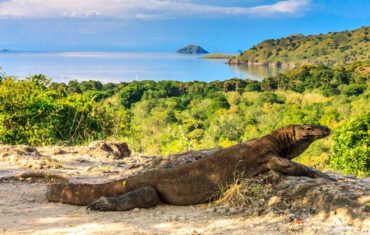
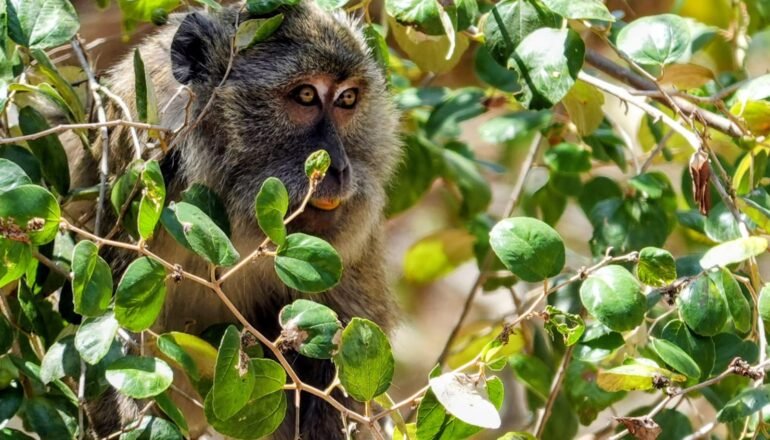
While Komodo Island is world-famous for its ancient Apex predator—the Komodo dragon—it is also home to a diverse array of other wildlife. Among the most vibrant and intelligent inhabitants of the island’s dry savannahs and coastal mangroves is the long-tailed macaque (Macaca fascicularis).
1. Survival in a Harsh Environment
Komodo Island is characterized by a dry climate, rugged hills, and sparse vegetation for much of the year. To survive here, long-tailed macaques have developed highly adaptable behaviors. They spend a significant amount of time in the tree canopy to forage for leaves, fruits, and seeds, while keeping a safe distance from terrestrial threats on the forest floor.
2. Clever Foragers and Coastal Explorers
Unlike many other monkey species, the macaques of Komodo Island are highly versatile in their diet. When food in the forest becomes scarce during the dry season, these intelligent primates often venture down to the beaches and mangrove areas. They are skilled at foraging for crabs, mollusks, and small marine life, which has earned them their alternate name: the crab-eating macaque.
3. Coexisting with the Komodo Dragon
Living on an island dominated by the giant Komodo dragon requires constant vigilance. Younger or smaller macaques can occasionally fall prey to hungry dragons if they let their guard down on the ground. As a result, these monkeys rely heavily on their social structure, sharp eyesight, and loud alarm calls to warn group members whenever a predator approaches.
4. Ecological Importance
Long-tailed macaques play a vital role in maintaining the island’s ecosystem. By consuming fruits and traveling across different habitats, they act as primary seed dispersers, helping to regenerate the island’s flora. Their lively presence adds a unique layer of biodiversity to one of Indonesia’s most iconic natural heritage sites.